
- The full story of Charley’s strange night at Grand Central Station, in the order the book tells it
- Who Charley, Louisa and Sam Weiner are, and what the story’s final twist reveals about each of them
- The story’s central idea: the wish to escape a frightening present into a peaceful past
- How Jack Finney blends ordinary, realistic detail with an unexplained fantastic event
- The literary devices this chapter uses (situational irony, foreshadowing, an open ending), each with the exact line that shows it
- How to answer an extract-based question from this chapter, with a worked example
1Meet the Author and the World of the Story
1.1 About Jack Finney
Jack Finney (1911-1995) was an American author known for blending science fiction with ordinary, everyday life rather than spaceships or aliens. “The Third Level” never explains HOW a hidden level of a real railway station opens onto 1894 – it simply happens to an ordinary man, and the reader decides how much to believe.
Call this story’s genre science fiction (time travel) blended with everyday realism, not pure science fiction – there is no machine, alien or scientific explanation anywhere in it.
1.2 The World of the Story
The story opens with the narrator’s claim that the presidents of the New York Central and the New York, New Haven and Hartford railroads “will swear on a stack of timetables that there are only two” levels at Grand Central Station – but he insists there is a third, because he has been on it himself. The book’s own “Before you read” question sets up exactly this kind of story: “Have you ever had any curious experience which others find hard to believe?”
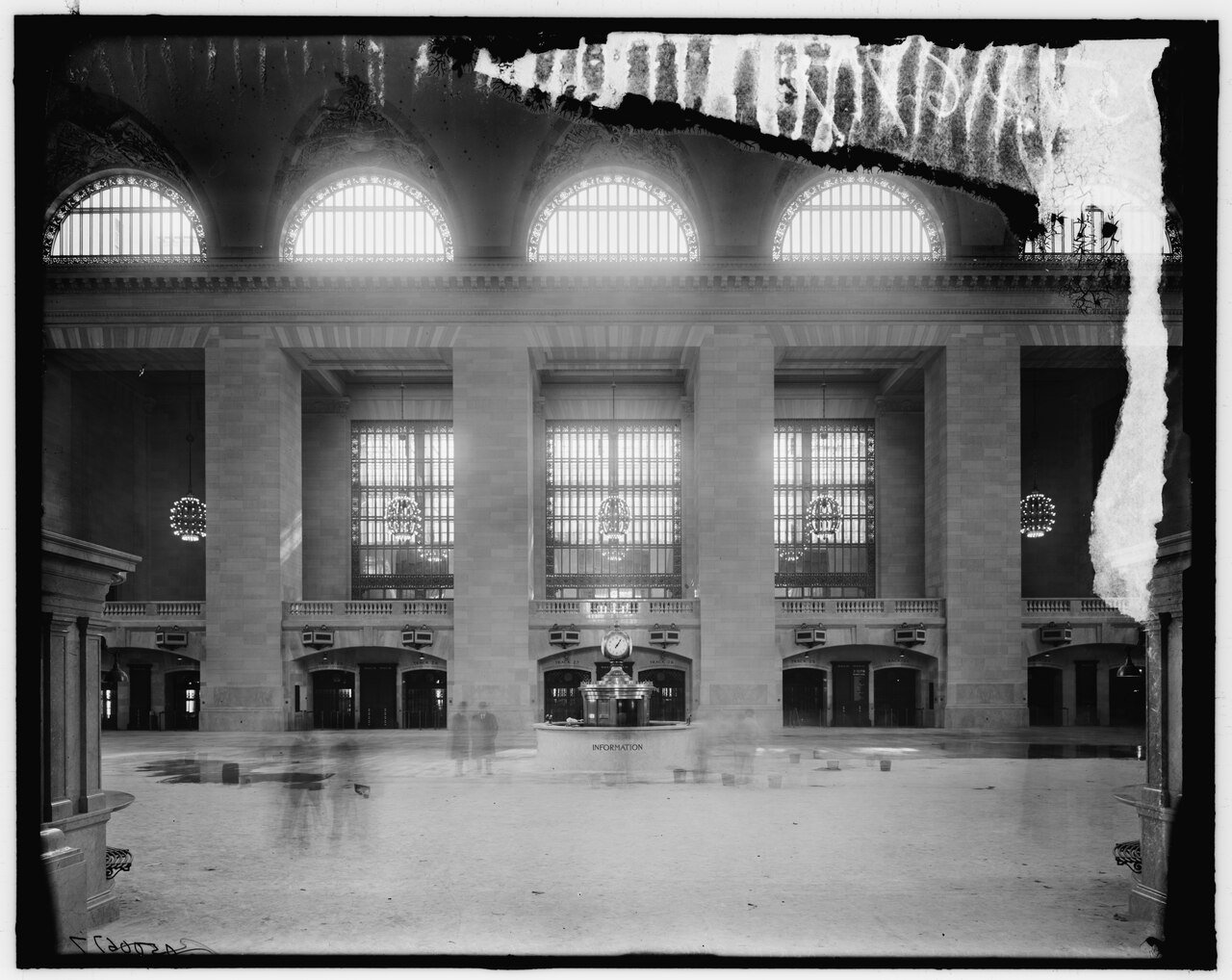
The third level is a hidden, extra level of Grand Central Station that the narrator, Charley, stumbles onto one night while lost in its corridors. Unlike the real first level (long-distance trains) and second level (suburban trains), the third level opens onto the year 1894, complete with gaslights, old-style money and people dressed in that era’s clothes.
2The Story, Step by Step
The whole story is Charley’s own first-person account, told directly to the reader as if convincing a doubtful listener. Before the details, here is the shape of that account in one glance.
2.1 The Claim and the Diagnosis
Charley flatly asserts that Grand Central has three levels, not two, “because I’ve been on the third level,” and says he has “taken the obvious step”: he has told a psychiatrist friend about it. The friend calls it a “waking-dream wish fulfillment”, explaining that “the modern world is full of insecurity, fear, war, worry and all the rest of it” and that Charley “just want[s] to escape.” Charley pushes back – “Well, who doesn’t? Everybody I know wants to escape, but they don’t wander down into any third level at Grand Central Station” – and disputes the same charge against his stamp collecting (his friends call it a “temporary refuge from reality”), since his grandfather, who started it, “didn’t need any refuge from reality; things were pretty nice and peaceful in his day.”
This diagnosis scene is the story’s clearest statement of WHY someone might want to escape: “the modern world is full of insecurity, fear, war, worry and all the rest of it.” The ending turns it back on the psychiatrist himself.
2.2 One Ordinary Night: Lost in the Corridors
One night, working late, Charley takes the subway instead of the bus purely because it is faster: “I wasn’t trying to escape from anything; I just wanted to get home to Louisa, my wife.” Heading for the subway he takes a wrong turn and gets lost, as he often has before – once in the lobby of the Roosevelt Hotel, once in an office building on Forty-sixth Street – and reflects that Grand Central seems to be “growing like a tree, pushing out new corridors and staircases like roots.”
Charley did not deliberately search for the third level that night – he found it by accident, only trying to reach the subway faster than usual.
2.3 The Third Level Itself
Following a downward-slanting corridor and a “hollow roar” of voices, Charley comes out on a level that looks, at first, like the second level, only smaller: fewer ticket windows, an old wooden information booth whose man wears a green eyeshade and long black sleeve protectors, dim open-flame gaslights, brass spittoons on the floor. People are dressed for the 1890s – a man with a gold pocket watch, derby hat and handlebar moustache; a woman in leg-of-mutton sleeves – and, out on the tracks, a small, funnel-stacked Currier & Ives-style locomotive. Checking a newsboy’s papers, he finds it is The World, “hasn’t been published for years,” its lead story on President Cleveland; he later finds this exact front page in the Public Library files, dated June 11, 1894.
2.4 Two Tickets to Galesburg, and the Clerk’s Refusal
Charley wants two tickets, for himself and Louisa, to Galesburg, Illinois – the town where he went to school, “a wonderful town still, with big old frame houses, huge lawns, and tremendous trees” – in a year before the First World War (“still twenty years off”) and the Second (“over forty years in the future”). The clerk calculates the fare, then looks up and refuses the bills: “That ain’t money, mister … and if you’re trying to skin me, you won’t get very far.” Charley’s modern money is the wrong size and look for 1894; fearing arrest, he “got out fast.”
2.5 Buying Old Money, and Losing the Way Back
Next day, Charley draws three hundred dollars from the bank, “nearly all we had,” and buys old-style currency from a coin dealer at a premium, ending with less than two hundred dollars in old bills – which “really worried” his psychiatrist friend. Despite trying often, he never finds the corridor to the third level again; Louisa, worried, asks him to stop, and for a while he does, going back to his stamps.
2.6 Sam Weiner Disappears, and the First-Day Cover
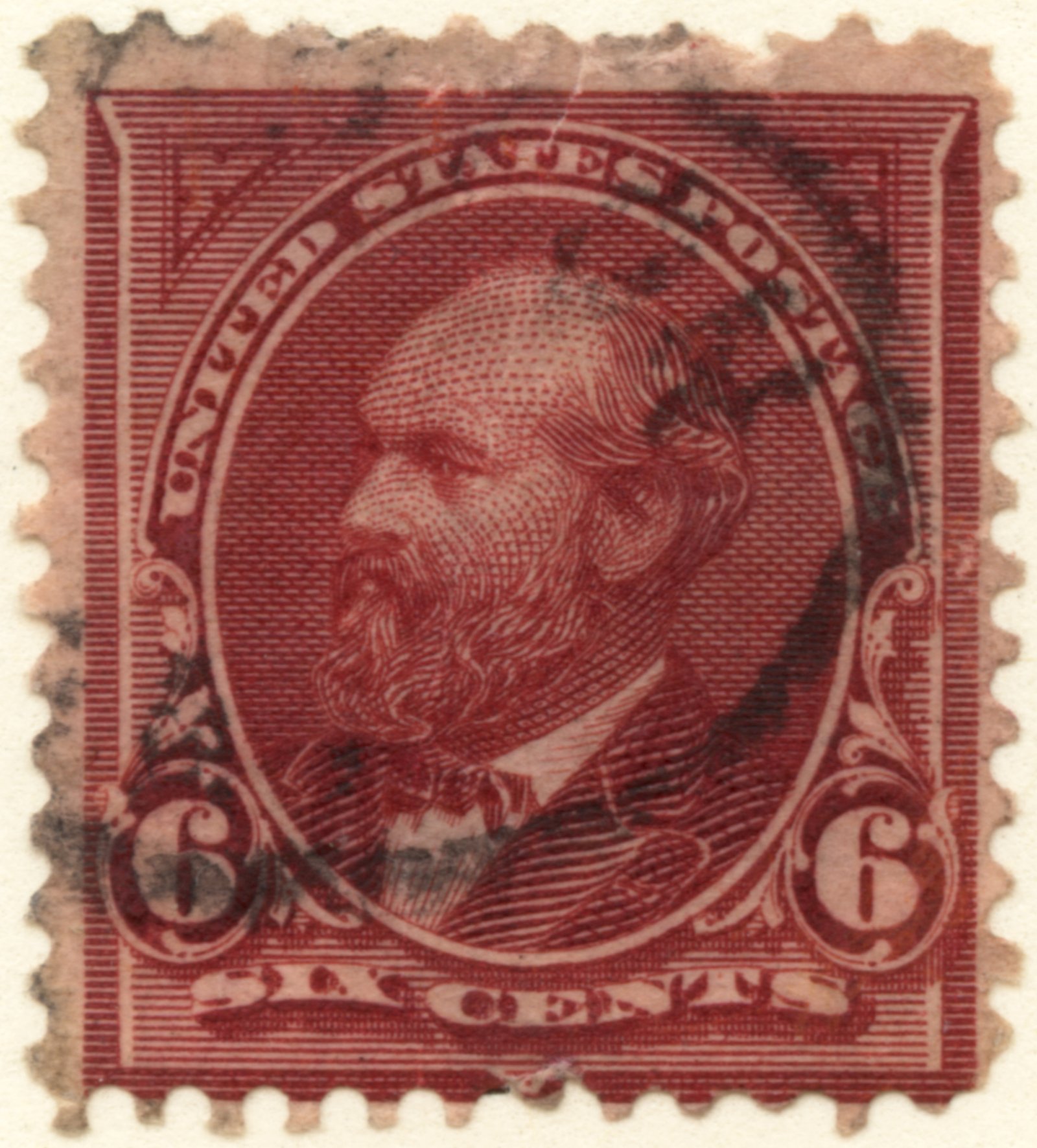
Charley and Louisa are now both looking again, every weekend, “because now we have proof that the third level is still there.” First, his friend Sam Weiner disappears; nobody knows where, but Charley “sort of suspected” Galesburg, since Sam “always said he liked the sound of the place.” The proof comes later. Sorting his stamps one night, Charley explains what a first-day cover is (an envelope mailed to oneself on a new stamp’s first day of sale, kept sealed, its postmark proving the date), and finds one he does not remember: mailed to his grandfather “at his home in Galesburg,” postmarked July 18, 1894, bearing “a six-cent, dull brown [stamp], with a picture of President Garfield.”
2.7 Sam’s Letter, and the Final Twist
Inside the envelope is a letter from Sam, headed “941 Willard Street, Galesburg, Illinois, July 18, 1894,” confirming that the third level is real: “And, Charley, it’s true; I found the third level! I’ve been here two weeks,” he writes, describing someone playing a piano at the Daly’s, and everyone out on the front porch singing “Seeing Nelly Home,” and inviting Charley and Louisa to “come on back.” At his stamp and coin store Charley learns Sam bought “eight hundred dollars’ worth of old-style currency,” which, Charley reckons, “ought to set him up in a nice little hay, feed and grain business,” the thing Sam always said he wished he could do. The story’s last line delivers the twist: “Why, Sam was my psychiatrist.”
“Why, Sam was my psychiatrist.”
Charley, the story’s final line
3Meet the Characters
3.1 The Three Central Figures
Charley
The narrator, an ordinary thirty-one-year-old who stumbles onto the third level by accident. Honest enough to question his own friends’ diagnosis. He tries often to find the corridor again, stops at Louisa’s wish, then searches every weekend once he has “proof that the third level is still there.”
Louisa
Charley’s wife. She is “pretty worried” when he tells her all this and does not want him to look any more – but by the end she searches with him every weekend, once the first-day cover gives them proof.
Sam Weiner
Charley’s psychiatrist friend, who calls his story a “waking-dream wish fulfillment.” The twist reveals Sam himself came to believe Charley, found the third level, bought old currency, and is now in 1894 Galesburg.
3.2 Sam Weiner: Before and After the Twist
Sam, as first presented
- A psychiatrist who hears Charley’s account and calls it a “waking-dream wish fulfillment”
- Says Charley just wants to escape the modern world
- Appears to be the story’s voice of reason
Sam, after the twist
- Came to believe Charley (“Then I got to believing you were right”) and found the third level himself
- Bought eight hundred dollars’ worth of old currency and disappeared into 1894 himself
- On one reading, he turns out to be the story’s biggest escapist, not its voice of reason
4Themes of the Chapter
Escapism is the wish to avoid an unpleasant or frightening reality by turning to fantasy, distraction or an imagined alternative. In this chapter, the psychiatrist’s own diagnosis of Charley names the “insecurity, fear, war, worry” of the modern world as the reason people want to escape it.
4.1 Four Ideas at the Heart of the Chapter
Escaping a frightening present
1894 appeals to Charley because it comes before either World War – a “peaceful world” set against “insecurity, fear, war, worry.”
Everybody wants to escape
Charley’s own reply, “Well, who doesn’t? Everybody I know wants to escape,” turns his private experience into something the reader can recognise in themselves.
The unreliable line between reality and fantasy
The story never explains how the third level works or why it opens onto 1894. Sam’s letter confirms it, but gives no mechanism.
Who is really escaping?
One reading: the professional who diagnoses escapism turns out to be its most extreme example, undercutting his own authority over the story.
Past, present and future
The book’s own exercise says “Philately helps keep the past alive” and asks students to discuss “the human tendency to constantly move between the past, the present and the future.” Charley’s grandfather’s stamps, the 1894 newspaper and the first-day cover all carry the past into Charley’s present.
Time and space meet
The book asks: “Do you see an intersection of time and space in the story?” The place stays the same, Grand Central Station, while the time shifts to 1894. Charley’s “illogical” claim, dismissed by his friends, turns out true for Sam too.
5How the Story Is Told
Finney does not simply tell us the third level is real or unreal. He builds the whole story out of a first-person voice, small period details and one carefully saved twist.
5.1 A Persuasive First-Person Narrator
The story is told entirely through Charley’s own voice, addressing the reader directly (“Have you ever been there?”), as if convincing a sceptical listener of something unbelievable – making the reader share the same uncertainty Charley’s friends feel: is he telling the truth, or is this “wish fulfillment”?
Situational irony is when the actual outcome of a situation is the opposite of what is expected. It is ironic that Sam Weiner, the psychiatrist who diagnosed Charley’s account as a “waking-dream wish fulfillment” and a wish to escape, turns out to have come to believe in the third level himself and uses it to escape into 1894.
Foreshadowing is when a writer plants an early hint of something that becomes important later. Charley’s grandfather’s stamp collection (later the source of the first-day cover) and the description of Grand Central “growing like a tree, pushing out new corridors” both quietly foreshadow the eventual discovery of the third level’s proof.
An open ending leaves something unexplained. Finney never explains how the third level works or why it opens onto 1894; Sam’s letter confirms it (“And, Charley, it’s true; I found the third level!”) but gives no mechanism.
| Detail in the story | What it does for the story |
|---|---|
| The psychiatrist’s early diagnosis | Sets up escapism, and the final irony once we learn who gave the diagnosis |
| Grand Central “growing like a tree” | Foreshadows a hidden, unmapped level in the station |
| The grandfather’s first-day cover collection | Foreshadows the letter that later proves the third level is real |
| The newspaper The World, dated June 11, 1894 | Anchors the fantastic event in one exact, checkable date |
| Sam’s final letter | Confirms the third level within the story, and delivers the twist |
6Words to Know
These words and phrases from the story are worth learning exactly as used.
| Word / Phrase | Meaning as used in the story |
|---|---|
| waking-dream wish fulfillment | imagining, while awake, something you deeply wish were true |
| temporary refuge from reality | a short-term escape or distraction from everyday problems |
| philately | the hobby of collecting and studying postage stamps |
| first-day cover | an envelope mailed to oneself the day a new stamp is issued, sealed, postmark proving the date |
| eyeshade | a visor shielding the eyes, worn here by the man in the old wooden information booth |
| spittoon | a small floor container once common in public places, for spitting into |
| leg-of-mutton sleeves | a sleeve style puffed at the shoulder, narrow at the wrist; fashionable in the 1890s |
| derby hat | a round, stiff felt hat; a “bowler” in British English |
| Currier & Ives | a 19th-century American print firm known for old-fashioned train and country scenes |
| gabardine | a tightly woven, hard-wearing fabric, used here for Charley’s suit |
7Why “The Third Level”?
The title is simply the fact at the centre of the story: Charley’s insistence that Grand Central has three levels, not the two everyone else agrees on. The story’s other ideas – escapism, disbelief, the pull of an imagined peaceful past – is folded into that one stubborn correction, keeping the reader’s attention on the central mystery: does this third level actually exist, or does everyone need a “third level” of their own to escape into?
8Answering Extract-Based Questions
The method below works for any extract from this story.
Extract: “He said it was a waking-dream wish fulfillment. He said I was unhappy. That made my wife kind of mad, but he explained that he meant the modern world is full of insecurity, fear, war, worry and all the rest of it, and that I just want to escape.”
Q. What does this extract reveal about the story’s central theme?
Step 1: Identify who is speaking: the psychiatrist, explaining away Charley’s account.
Step 2: Connect it to the ending: this exact diagnosis fits the psychiatrist himself even better than it fits Charley.
Answer: This extract states the theme directly: people escape into fantasy because the modern world feels full of insecurity, fear and war. The irony, revealed only at the end, is that the man giving this diagnosis is the character who acts on it most completely.
Always quote a short phrase from the extract itself in your answer (“waking-dream wish fulfillment,” for instance). Quoting the exact words shows you have read the text, not just the general idea.
- Charley insists Grand Central Station has three levels, not two; his psychiatrist calls this a “waking-dream wish fulfillment”
- One night, lost while heading for the subway, Charley finds the third level: a version of Grand Central set in 1894
- The newspaper The World, dated June 11, 1894, confirms the date; Charley wants tickets to Galesburg, Illinois, before either World War
- The clerk refuses his modern money; Charley later withdraws three hundred dollars to buy old-style currency but never again finds the corridor to the third level
- His friend Sam Weiner disappears; Charley and Louisa search again every weekend “because now we have proof that the third level is still there”
- That proof: a first-day cover, postmarked July 18, 1894, carries a letter from Sam confirming the third level is real
- Twist ending: Sam Weiner, the friend who has escaped to 1894, was Charley’s own psychiatrist, the man who had diagnosed his “escapism”
- Central theme: escapism from a world full of “insecurity, fear, war, worry”; key devices are situational irony, foreshadowing and an open ending
- Can I narrate the story’s events in the correct order, from Charley’s opening claim to the final twist?
- Can I explain what the psychiatrist means by “waking-dream wish fulfillment”?
- Can I describe at least four period details that tell Charley he is in 1894?
- Can I explain why Charley wants to go to Galesburg specifically, and why in 1894?
- Can I explain the significance of the first-day cover and its postmark date?
- Can I explain the story’s final twist and why it is ironic?
- Can I use the words “escapism,” “situational irony,” “foreshadowing” and “ambiguous ending” correctly about this chapter?