
- Paper: 100 marks, 35 questions. This lesson is in the public exam (not TMA).
हिंदी में: यह पाठ सार्वजनिक परीक्षा में आता है, TMA में नहीं। - Literature: 1-mark parts (Q12-16), 2-mark VSA of 20-30 words (Q29-34; sample paper Q32 OR is from this lesson) and one 3-mark SA of about 40 words (Q35). No long answer.
हिंदी में: इस पाठ से 1, 2 और 3 अंक के प्रश्न आते हैं; नमूना प्रश्नपत्र का Q32 (OR) इसी पाठ से है। - Grammar (30) and Writing (25) use unseen sentences. This lesson’s reported speech helps in Q9 and Q26, past perfect in Q8 and Q28, modals in Q24, and narrative writing in Q23.
हिंदी में: व्याकरण और लेखन के प्रश्न नए वाक्यों पर आते हैं, पर इस पाठ का अभ्यास वहीं काम आता है।
| Point | What the lesson says |
|---|---|
| Author | R.K. Narayan |
| Type | Prose, a story (Part I of two; Part II is Lesson 6) |
| Narrator | The tiger himself. He is the central character and tells the story as “I”. |
- Not in the NIOS book, but well known: R.K. Narayan (1906-2001) was a famous Indian writer in English. He created the small town Malgudi. This story comes from his novel A Tiger for Malgudi.
हिंदी में: आर.के. नारायण (1906-2001) अंग्रेज़ी के प्रसिद्ध भारतीय लेखक थे; उन्होंने मालगुडी नाम का छोटा शहर रचा, और यह कहानी उनके उपन्यास ‘A Tiger for Malgudi’ से है।
Narrator: the one who tells the story. Here the narrator is the tiger, so we see everything through his eyes (his viewpoint).
हिंदी में: कहानी सुनाने वाला narrator (वाचक) कहलाता है; यहाँ वाचक बाघ है, इसलिए सब कुछ उसकी नज़र से दिखता है।
2 Summary in my own words (Part 1 and Part 2)
हिंदी में: सर्कस में बाघ कैप्टन के चाबुक से डरता था और लोग शांत बैठे रहते थे, इसलिए वह लोगों को बहादुर समझता था; एक दिन खुले बाड़े से वह शहर चला आता है।
हिंदी में: लोग नालियों, पेड़ों और खंभों के पीछे छिपते हैं; दर्ज़ी अलमारी में बंद होता है, सिपाही हथकड़ी वाले कैदी को छोड़ भागते हैं, घोड़ा ताँगे से छूट जाता है और सवारियाँ गिर पड़ती हैं; सब दरवाज़े-खिड़कियाँ बंद हो जाते हैं, और बाघ हैरान है क्योंकि वह नुकसान नहीं पहुँचाना चाहता।
हिंदी में: ग्यारह फ़ुट लंबा बाघ रेस्तराँ का दरवाज़ा रोक लेता है; कॉफ़ी-नाश्ता करने वाले जम जाते हैं और गल्ला पकड़े आदमी डर से साँस भी नहीं लेता; बाघ मन में कहता है कि उसका पेट भरा है। फिर वह ख़ुश बच्चों के पीछे स्कूल में जाता है, बच्चे हॉल में बंद हो जाते हैं; हेडमास्टर मेज़ पर चढ़कर अटारी में छिप जाते हैं और बाघ बड़ी मेज़ के नीचे सिर रखकर ठंडे फ़र्श पर सो जाता है।
हिंदी में: सोते समय कमरा बंद कर दिया जाता है; एक शिक्षक बाघ को ‘brute’ कहता है और मास्टर शिक्षकों को डाँटते हैं; मास्टर को लापरवाह कहकर पूछा जाता है कि वे कौन हैं, तो वे इसे ऐसा गहरा प्रश्न बताते हैं जिसका उत्तर वे अब तक नहीं जानते।
The full text is free in the official NIOS book at nios.ac.in (मूल पाठ nios.ac.in पर निःशुल्क उपलब्ध है)।
3 Theme and message
- Animals have feelings. They can live in peace with their surroundings and are not cruel by nature.
हिंदी में: जानवरों में भी भावनाएँ होती हैं और वे स्वभाव से क्रूर नहीं होते। - Animals attack only when they are robbed of food or a home, or when someone hurts them first for no reason.
हिंदी में: जानवर तभी हमला करते हैं जब उनका भोजन-आश्रय छिन जाए या उन पर बेवजह हमला हो। - Humans have fixed, baseless ideas about wild animals. They are scared of them only because they do not understand them.
हिंदी में: मनुष्य जंगली जानवरों के बारे में बेबुनियाद धारणाएँ बना लेता है और न समझने के कारण उनसे डरता है। - Man thinks he is the most intelligent, yet he has not understood his place in the universe, or how disturbing nature harms him.
हिंदी में: मनुष्य खुद को सबसे बुद्धिमान मानता है, फिर भी ब्रह्मांड में अपनी जगह और प्रकृति से छेड़छाड़ का नुकसान नहीं समझ पाया।
Irony (विडंबना): when the truth is the opposite of what people believe. People call the tiger a “brute”, yet the calm tiger behaves better than the scared humans.
हिंदी में: irony (विडंबना) तब होती है जब सच लोगों की सोच का उलटा हो; यहाँ जिस बाघ को ‘brute’ कहा गया, वही डरे हुए मनुष्यों से बेहतर व्यवहार करता है।
4 Characters
The tiger
Calm, gentle, thoughtful and a little amused. He has no wish to hurt anyone. He watches people closely and judges them honestly.
हिंदी में: बाघ शांत, सौम्य और विचारशील है; वह किसी को चोट नहीं पहुँचाना चाहता।
The Master
Kind and wise. He loves the tiger and understands animals. He dislikes rude words like “brute” and thinks deeply about life.
हिंदी में: मास्टर दयालु और समझदार हैं; वे बाघ से प्रेम करते हैं और गहरी बातें सोचते हैं।
The townspeople
Scared and helpless. The tailor, the constables, the restaurant crowd and the Headmaster all run or hide. Only the children enjoy it.
हिंदी में: शहर के लोग डरपोक और बेबस दिखते हैं; केवल बच्चे इस घटना का मज़ा लेते हैं।
5 Key lines explained
From his circus ring (that angle) the tiger saw only calm people, so he wrongly thought humans were fearless. On the road he learns the truth.
हिंदी में: सर्कस के रिंग से लोगों को शांत बैठे देखकर बाघ ने ग़लत राय बना ली थी कि मनुष्य निडर हैं।
“Tigers attack only when they feel hungry, unlike human beings who kill one another without purpose or hunger.”
A tiger kills only for food. Humans kill each other without need. The line shows that humans can be more cruel than animals.
हिंदी में: बाघ केवल भूख लगने पर हमला करता है, पर मनुष्य बिना कारण एक-दूसरे को मारते हैं; यहाँ मनुष्य ज़्यादा क्रूर दिखता है।
The Master says these are ugly words, made by man out of pride. Man thinks every other creature is lower than him.
हिंदी में: मास्टर के अनुसार ये बुरे शब्द मनुष्य ने घमंड में बनाए हैं, क्योंकि वह बाकी सब जीवों को अपने से नीचा समझता है।
The question sounds simple, but the Master treats it as a deep question about life. He says he has tried all his life to know who he really is, and asks: “Are you sure you know who you are?”
हिंदी में: “तुम कौन हो?” सरल लगता है, पर मास्टर के लिए यह जीवन का गहरा प्रश्न है; वे पूछते हैं कि क्या सामने वाला खुद को सच में जानता है।
6 Word meanings (शब्दार्थ)
| Word | Meaning (English) | हिंदी अर्थ |
|---|---|---|
| melting out of sight | vanishing from view | नज़रों से गायब होना |
| cowered | bent low because of fear | डर से दुबक गया |
| no intention of | not planning to | कोई इरादा नहीं |
| paused | stood still for a moment | रुका |
| abandoned | left behind, deserted | छोड़ दिया |
| wailing | crying loudly out of fright | डर से रोते-चिल्लाते हुए |
| Jutka | a horse-drawn carriage | घोड़ा-गाड़ी, ताँगा |
| spilling out | tumbling out in a hurry | बाहर गिरना |
| handcuffed | with metal rings locked on the wrists | हथकड़ी लगा हुआ |
| nervous | worried and afraid | घबराया हुआ |
| seized | gripped, took hold of | जकड़ लिया |
| sat still | did not move at all | बिना हिले बैठे रहे |
| uttering low moans | making soft sounds of pain or fear | धीमे से कराहना |
| assure | make someone feel sure, remove fear | भरोसा दिलाना |
| trails down | hangs loosely to the ground | नीचे लटकता है |
| threshold | entrance of a door | दहलीज़, चौखट |
| pasture | grassy land where animals graze | चरागाह |
| helter-skelter | running about wildly in panic | इधर-उधर, अफ़रा-तफ़री में |
| dignified | respectful and graceful | गरिमामय, प्रतिष्ठित |
| heaving | pulling up with effort | खींचकर ऊपर उठाना |
| attic | a room just under the roof | अटारी, छत के नीचे का कमरा |
| brute | a fierce wild animal (a rude word) | जंगली हिंसक पशु |
| coined | made, given (a new word) | गढ़ा गया |
| arrogance | a sense of being better than others | घमंड, अहंकार |
| retorted | gave a quick, angry reply | गुस्से में तुरंत पलटकर जवाब दिया |
| reckless | careless about danger | लापरवाह, दुस्साहसी |
| profound | deep in meaning, serious | गहरा, गंभीर |
| Antonyms (opposites) from the lesson |
|---|
| behind (in front of) · fearless (fearful) · attack (protect) · strong (weak) · ordinary (extraordinary) |
Antonym: a word with the opposite meaning (good / bad, weak / strong). The lesson’s crossword asks you to find, in the story, the antonym of each clue word (warm → cool, careful → reckless).
हिंदी में: antonym (विलोम शब्द) उलटा अर्थ देने वाला शब्द है; पाठ की crossword में कहानी से हर संकेत-शब्द का विलोम ढूँढना होता है।
7 Similes
Simile: a comparison of two different things using as … as or like. Example from the story: the townspeople ran like a herd of deer (timid, running from danger).
हिंदी में: simile (उपमा) में as…as या like से दो अलग चीज़ों की तुलना की जाती है।
| With “as … as” | With “like” |
|---|---|
| as busy as a bee · as light as a feather | fast like the wind |
| as sweet as honey · as hard as stone | brave like a soldier |
| as white as snow · as wise as an owl | shining like gold |
हिंदी में: as…as में दोनों ‘as’ के बीच विशेषण (heavy, cold) आता है; like के बाद तुलना वाली चीज़ आती है।
8 Grammar 1: the past perfect
Past perfect tense: had + past participle (had sat, had thought). It shows the action that was finished first, earlier than another action that also happened in the past.
हिंदी में: past perfect (had + क्रिया का तीसरा रूप) बताता है कि भूतकाल की दो घटनाओं में से कौन-सी पहले पूरी हो चुकी थी।
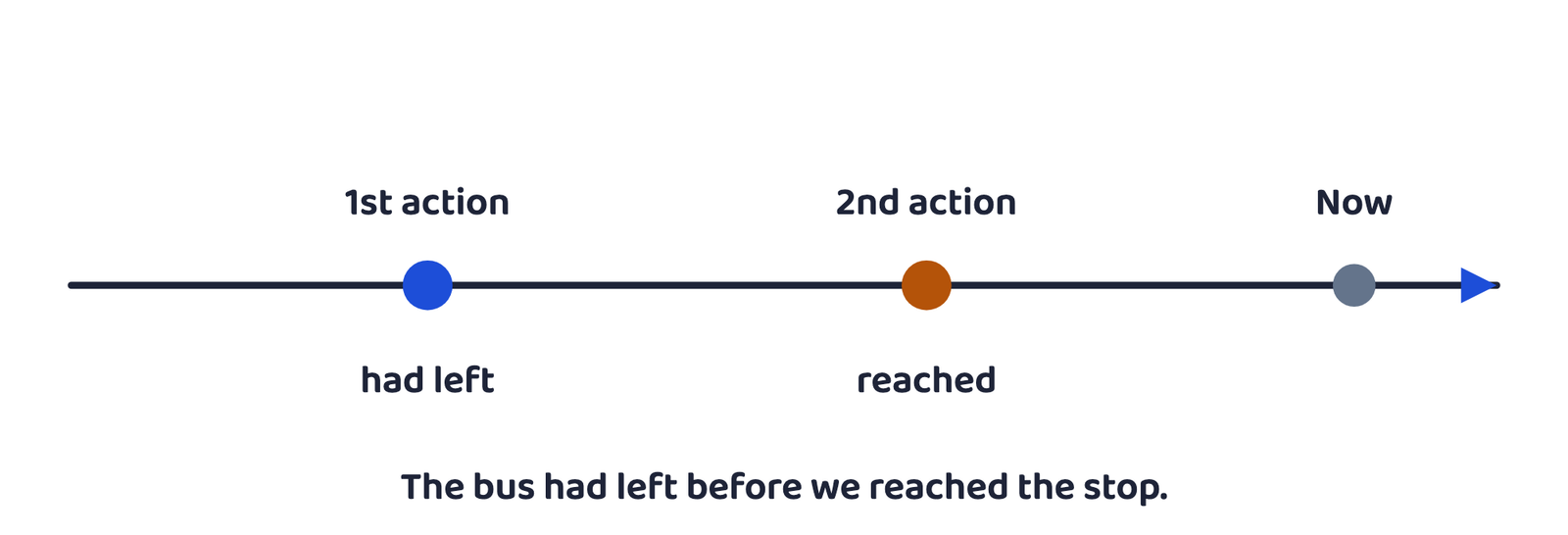
- Signal words: before, after, by the time, already. In the story: They had sat … and I had thought … (the tiger’s earlier belief).
हिंदी में: before, after, by the time, already जैसे शब्द past perfect का संकेत देते हैं।
The book also lists the sentence with “had no chance” as past perfect. There had is the main verb (simple past of have); it is not past perfect. In the book’s table add had to every row: had died, had read, had decorated, had planted.
हिंदी में: “I had no chance” में had मुख्य क्रिया (have का भूतकाल) है, past perfect नहीं; तालिका की हर पंक्ति में had जोड़ें (had died, had read, had decorated, had planted)।
9 Grammar 2: reporting imperatives
Imperative sentence: a sentence that orders, requests, instructs, advises or suggests (Sit down. Please help me.).
हिंदी में: आज्ञा, अनुरोध, निर्देश, सलाह या सुझाव देने वाला वाक्य imperative (आज्ञार्थक) वाक्य है।
Indirect (reported) speech: reporting what someone said in our own words, without quotation marks.
हिंदी में: किसी की कही बात को उद्धरण-चिह्नों के बिना अपने शब्दों में बताना indirect (reported) speech है।
| Tone | Reporting verb | Fresh example (indirect) |
|---|---|---|
| Command | ordered, instructed, told | The coach ordered the players to run two rounds. |
| Request | requested, begged, pleaded, asked, told | Rita requested her brother to post the letter. |
| Advice | advised, recommended, urged | The doctor advised me to drink more water. |
| Suggestion | suggested, recommended, proposed | Amit proposed that they should play cricket. |
हिंदी में: said to को भाव वाली क्रिया में बदलें, उसके बाद to + क्रिया लगाएँ; मनाही हो तो not to लगाएँ और please हटा दें।
| Direct | Indirect |
|---|---|
| Mother said to me, “Don’t play in the sun.” | Mother advised me not to play in the sun. |
| Neha said, “Let’s go for a walk.” | Neha suggested that they should go for a walk. |
- A question is reported with asked + if / wh-word + statement order: He asked me where I lived.
हिंदी में: प्रश्नवाचक वाक्य में asked के बाद if या wh-शब्द आता है और वाक्य सामान्य क्रम में लिखा जाता है।
10 Let us write: slogan and narrative paragraph
Slogan: a one-line appeal for a cause. It is short, appealing and catchy. Example: Plant a tree, gift a breath.
हिंदी में: slogan (नारा) किसी उद्देश्य के लिए एक पंक्ति की छोटी, आकर्षक अपील है।
- Own slogan for saving tigers: Let the tiger roar, not cry.
हिंदी में: अपना नारा: बाघ को दहाड़ने दो, रोने नहीं (यानी बाघ को बचाओ)।
Sequence markers: linking words that show the order of events: first, then, later, after that, as soon as, by then, finally.
हिंदी में: sequence markers ऐसे जोड़ने वाले शब्द हैं जो घटनाओं का क्रम बताते हैं।
- A narrative paragraph: events in order, verbs in the simple past, sequence markers, and describing words for places and feelings (a delicious meal, ate happily).
हिंदी में: घटनाएँ क्रम से, सामान्य भूतकाल में, क्रम-सूचक शब्दों और वर्णनात्मक शब्दों के साथ लिखें।
11 Let us talk: modals of duty
- Duty / desirable: have to, ought to, must, need to (We ought to feed animals kindly.) · Undesirable: should not, must not (We must not tease animals.) · need not = not necessary (You need not fear a trained animal.)
हिंदी में: have to, ought to, must, need to कर्तव्य बताते हैं; should not और must not मनाही बताते हैं; need not का अर्थ है “ज़रूरत नहीं”।
12 Let us do and Do you know
✓ Do
- Feed a starving animal or call an Animal Welfare Organisation
- Check under a parked car before you drive
- Keep water for birds and stray animals
✗ Don’t
- Keep pets leashed all the time
- Tease or abandon animals
- Buy bags, belts or other items of animal skin
- SPCA = Society for Prevention of Cruelty to Animals, a body that works for animal welfare.
हिंदी में: SPCA पशुओं के प्रति क्रूरता रोकने वाली संस्था है। - The book’s facts: Gujarat was the first state to ban frog dissection in school Biology; Japan punishes killing, injuring or abandoning animals without reason; the tiger is an endangered species.
हिंदी में: पुस्तक के अनुसार गुजरात ने स्कूलों में मेंढक की चीर-फाड़ पर पहले रोक लगाई, जापान बेवजह जानवरों को मारने, घायल करने या छोड़ने पर सज़ा देता है, और बाघ एक लुप्तप्राय (endangered) प्रजाति है।
The book’s figures are 3200 tigers in the world and about 1500 in India. These are old figures. India’s tiger census of 2022 estimated about 3,682 tigers in India alone. Japan also made its animal law stricter in 2019. For “according to the lesson” questions, write the book’s numbers.
हिंदी में: पुस्तक के आँकड़े (दुनिया में 3200, भारत में लगभग 1500) पुराने हैं; 2022 की बाघ गणना में अकेले भारत में लगभग 3,682 बाघ पाए गए, और जापान ने 2019 में अपना क़ानून सख़्त किया। “according to the lesson” वाले प्रश्न में पुस्तक के आँकड़े ही लिखें।
- R.K. Narayan; narrator = the circus tiger; Part I of the story
- Market Road panic → tailor in cupboard → constables flee, prisoner in handcuffs → horse breaks free from Jutka → doors bolted → restaurant (eleven feet, not hungry) → school closed → Headmaster into attic → tiger sleeps, locked up → Master scolds “brute” → “Who are you?”
- Theme: animals have feelings; humans fear what they do not understand; humans kill without need
- Grammar: past perfect = had + past participle (earlier past action); imperatives → ordered / requested / advised / suggested + to + verb
- Writing: slogan (one catchy line); narrative paragraph (simple past + sequence markers)
हिंदी में: कहानी का क्रम, संदेश, व्याकरण और लेखन के ये पाँच बिंदु परीक्षा से पहले ज़रूर दोहराएँ।
The full text is free in the official NIOS book at nios.ac.in (मूल पाठ nios.ac.in पर निःशुल्क उपलब्ध है)।